
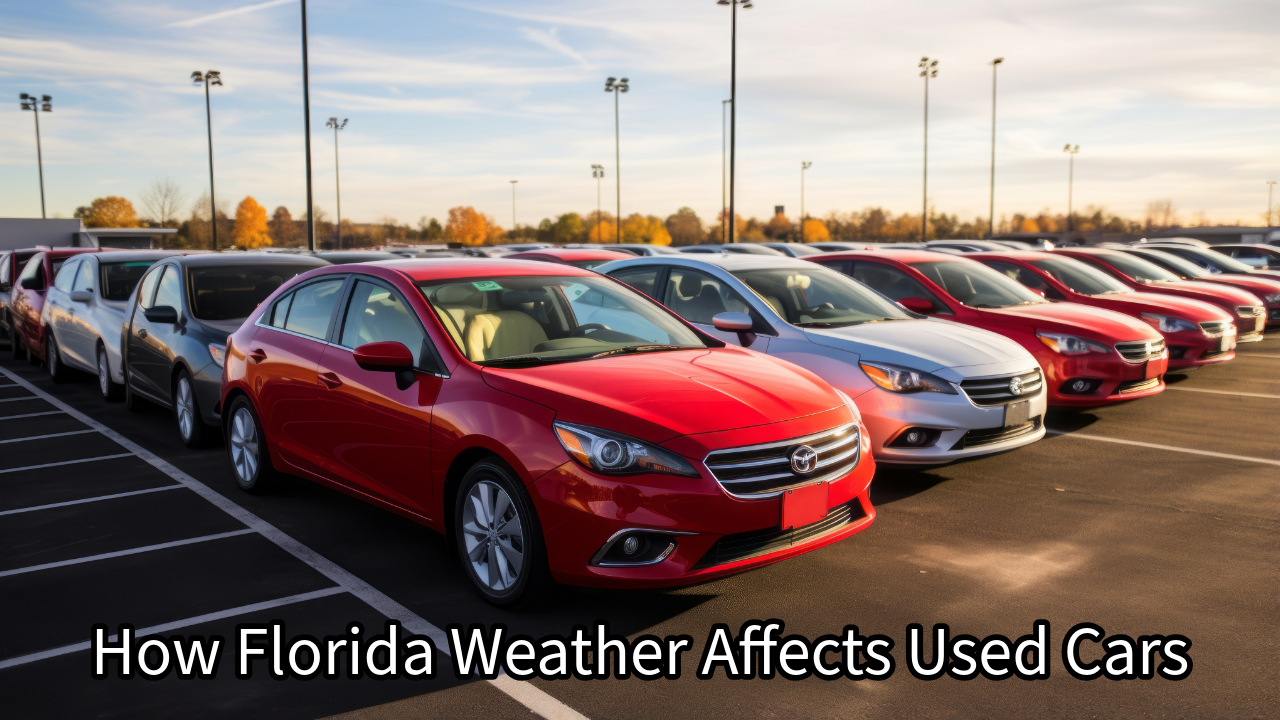
Florida’s warm climate and coastal lifestyle make it a great place to live and drive—but the weather here can have a real impact on vehicles. From intense sun and heat to heavy rain and coastal humidity, Florida conditions can affect everything from a car’s paint to its mechanical components.
If you’re shopping for a used car in Melbourne, FL, understanding how Florida weather affects vehicles can help you choose a car that will last longer and perform better.
Florida Sun and Heat Can Wear Down Vehicle Exteriors
One of the biggest environmental factors in Florida is the strong sun and year-round heat. Constant UV exposure can gradually break down materials on a vehicle’s exterior.
Over time, the sun can cause:
-
Fading paint and clear coat damage
-
Cracking dashboards and interior trim
-
Drying and deterioration of rubber seals
-
Headlight lens clouding
Many Florida vehicles spend a lot of time outdoors, which makes proper maintenance and protective coatings especially important. Vehicles that have been well cared for will often show fewer signs of sun damage.
Humidity and Moisture Can Lead to Corrosion
Florida’s high humidity means moisture is almost always present in the air. Over time, this can lead to corrosion and rust on certain parts of a vehicle, especially underneath the car.
Common areas affected by moisture include:
-
Brake components
-
Suspension parts
-
Exhaust systems
-
Electrical connections
The good news is that many Florida vehicles avoid the harsh road salt exposure found in northern states, which means severe rust is often less common compared to cars from colder climates.
Heavy Rain and Flooding Risks
Florida is known for its frequent rainstorms and occasional tropical weather. While most rain does not harm vehicles, flooding can cause serious damage if a car has been submerged or exposed to standing water.
Potential issues with flood-damaged vehicles include:
-
Electrical problems
-
Mold or mildew inside the cabin
-
Engine and transmission damage
-
Corrosion in wiring systems
When purchasing a used car, it’s always a good idea to check vehicle history reports and inspect for signs of water damage.
Salt Air Near the Coast
In coastal areas like Melbourne and other Space Coast communities, salt air can also affect vehicles over time. Salt in the air can accelerate corrosion on exposed metal components.
Regular washing and proper care can help reduce these effects, and many well-maintained Florida vehicles remain in excellent condition despite coastal exposure.
Air Conditioning Is Especially Important in Florida
Because Florida temperatures can remain high for much of the year, a properly functioning air conditioning system is essential.
Used car buyers should make sure the A/C system:
-
Blows cold air quickly
-
Maintains consistent airflow
-
Does not produce unusual smells or noises
A reliable A/C system can make a huge difference when driving during Florida’s hot summer months.
Why Many Florida Used Cars Are Still a Great Buy
Despite the challenges of heat and humidity, Florida vehicles often have one major advantage: they usually avoid harsh winter conditions like snow, ice, and salted roads.
Cars that have spent their lives in Florida typically avoid:
-
Salt-related frame rust
-
Winter cold-start engine wear
-
Road salt corrosion
As long as a vehicle has been properly maintained, many Florida cars remain in excellent shape for years.
Finding a Quality Used Car in Melbourne, FL
When buying a used vehicle, it’s important to work with a dealership that carefully inspects its inventory. A good dealership will ensure vehicles are mechanically sound and ready for Florida driving conditions.
At The Car Guys in Melbourne, FL, buyers can explore a wide selection of reliable used vehicles that are well suited for life on the Space Coast.
Whether you’re looking for a commuter car, family SUV, or dependable truck, understanding how Florida weather affects vehicles can help you make a smart purchase that will last for years to come.